
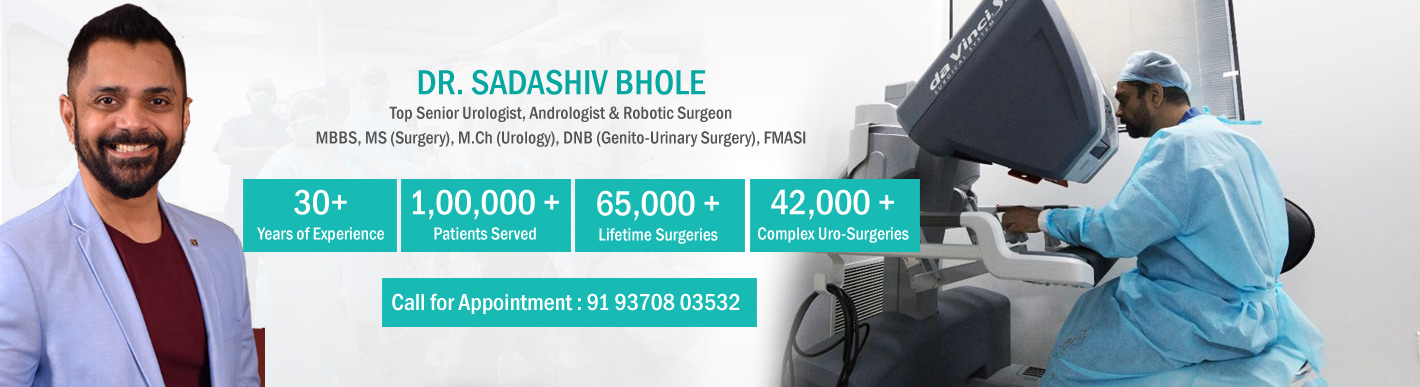
RGP (Retrograde Pyelography) Specialist in Nagpur India : Retrograde Pyelography (RGP) is a specialized diagnostic and sometimes therapeutic urological procedure that involves injecting contrast dye directly into the ureters and kidneys through a catheter during cystoscopy. This allows detailed X-ray imaging of the ureters, renal pelvis, and collecting system to identify and evaluate issues such as ureteral obstructions, stones, tumors, strictures, or trauma. Dr. Sadashiv Bhole at Ketki Nursing Home & Bhole Urology Hospital provides expert RGP services in Nagpur and has performed over 800 RGP procedures, reflecting his expertise and trusted care.
What is Retrograde Pyelography (RGP)?
RGP is a minimally invasive procedure performed under anesthesia where a cystoscope is inserted through the urethra into the bladder, followed by insertion of a catheter into one or both ureters. Contrast dye is injected retrograde (against the normal flow of urine) into the ureters and kidneys, and serial X-rays or fluoroscopy images are taken to visualize the anatomy and identify any abnormalities or blockages.
Why is RGP Performed?
- To diagnose urinary tract obstruction caused by stones, strictures, or tumors
- To assess ureteral injuries or congenital abnormalities
- To guide placement of ureteral stents or assist other endoscopic procedures
- When intravenous contrast imaging is contraindicated (e.g., allergy to IV contrast or poor kidney function)
- To complement cystoscopy in cases where more detailed upper tract imaging is needed
The RGP Procedure
- Performed under local, spinal, or general anesthesia depending on patient condition
- A cystoscope is passed through the urethra to the bladder
- Catheters are inserted into the ureters under direct vision
- Contrast dye is gently injected, and X-rays or fluoroscopic images are taken
- Catheters and scope are removed after completion of imaging
The entire procedure typically lasts between 30 minutes to 1 hour.
Benefits of RGP with Dr. Sadashiv Bhole
- Provides detailed imaging when other tests are inconclusive or contraindicated
- Allows simultaneous diagnostic and therapeutic interventions during cystoscopy
- Minimal risk with excellent safety profile under expert care
- Over 800 successful RGP procedures demonstrating extensive experience
Recovery and Aftercare
- Usually an outpatient procedure with quick recovery
- Mild urinary discomfort, urgency, or blood in urine may occur transiently
- Drinking plenty of fluids is advised to flush the urinary tract
- Follow-up will depend on findings and subsequent treatment plans
Location & Contact Details
Dr. Sadashiv Bhole
Ketki Nursing Home & Bhole Urology Hospital
Plot No. 12/2, Second Floor, Hyatt Medicare,
Khare Marg, Dhantoli-440012, Nagpur, Maharashtra
Phone: +91 93708 03532
Email: bholeurology@gmail.com
Frequently Asked Questions (FAQs)
1. Is RGP painful?
The procedure is done under anesthesia, so there is no pain during the procedure. Mild discomfort may occur afterward but is manageable.
2. How long does RGP take?
Typically between 30 to 60 minutes.
3. Are there risks or complications?
Risks are low but may include infection, urinary tract irritation, bleeding, or rarely perforation. These are minimized by expert technique.
4. How soon can I resume normal activities?
Most patients return to normal activities within a day or two.
5. How is RGP different from intravenous pyelogram (IVP)?
RGP delivers contrast directly into ureters rather than through a vein, making it safer for patients with allergies or kidney impairment.
6. How do I schedule a consultation for RGP with Dr. Sadashiv Bhole?
Call +91 93708 03532 or email bholeurology@gmail.com to book your appointment.
For expert, compassionate, and advanced retrograde pyelography care in Nagpur, trust Dr. Sadashiv Bhole and the dedicated team at Ketki Nursing Home & Bhole Urology Hospital.
