
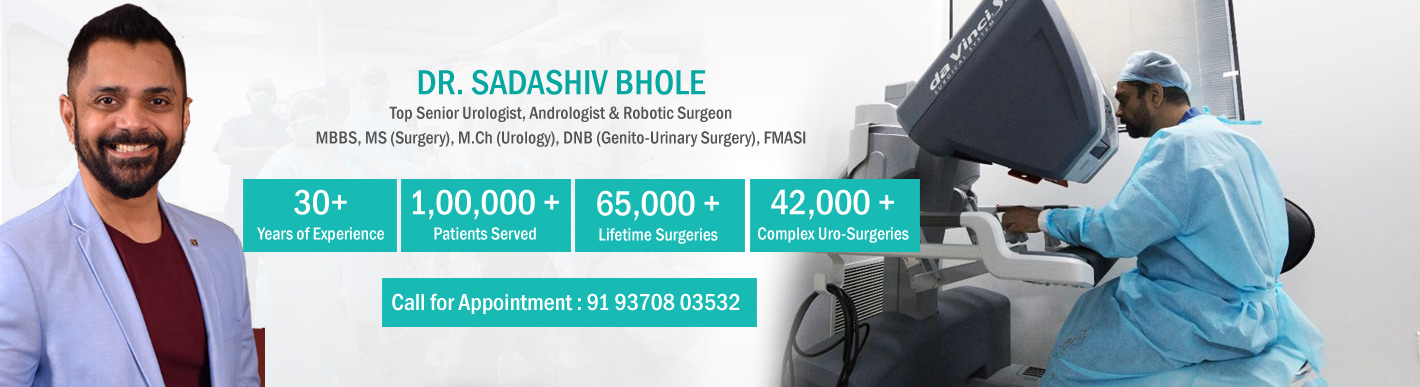
Kidney stones are one of the most painful urological conditions affecting both men and women. Recurrent and complex kidney stones require expert diagnosis, advanced technology, and specialized surgical precision. If you are searching for the Best Kidney Stone Specialist in Nagpur, Dr. Sadashiv Bhole offers comprehensive and advanced treatment options designed for safe, effective, and long-term relief. With expertise in minimally invasive and robotic procedures, patients receive world-class care under a highly experienced Urological Specialist.
Kidney stones not only affect urinary health but may also impact overall male wellness. As a trusted Male Reproductive System Doctor, Testicular Pain Specialist, and expert in Genitourinary disorders treatment, Dr. Bhole ensures that every aspect of urological and reproductive health is carefully evaluated during treatment.
About Dr. Sadashiv Bhole – Senior Urologist, Andrologist & Robotic Surgeon in Nagpur
Dr. Sadashiv Bhole is a highly experienced Senior Urologist, Andrologist & Robotic Surgeon in Nagpur specializing in advanced kidney stone management, Robotic Kidney Surgery, Robotic Prostatectomy, Hydrocele surgery, and comprehensive Genitourinary disorders treatment. As a leading Urological Specialist and Male Reproductive System Doctor, he provides precision-based, minimally invasive solutions tailored to each patient. Known for compassionate care and surgical excellence, he also offers expert Andrology consultation and holistic support at a modern Men’s Sexual Wellness Clinic, ensuring safe, painless, and long-lasting outcomes for recurrent and complex kidney stones.
What Are Kidney Stones?
Kidney stones are hard mineral and salt deposits that form inside the kidneys. They develop when urine becomes concentrated, allowing minerals such as calcium, oxalate, and uric acid to crystallize and stick together. Small stones may pass naturally, but larger or recurrent stones require specialized medical or surgical intervention.
Symptoms of Kidney Stones
- Severe pain in the back, side, or lower abdomen
- Pain during urination
- Blood in urine (pink, red, or brown urine)
- Frequent urge to urinate
- Nausea and vomiting
- Burning sensation while passing urine
- Urinary retention in severe blockage cases requiring immediate Urinary retention treatment
In male patients, kidney stone pain may sometimes radiate to the testicular region, making consultation with a Testicular Pain Specialist essential for accurate diagnosis.
Causes and Risk Factors
- Dehydration and low fluid intake
- High salt or protein diet
- Obesity
- Family history of kidney stones
- Hormone imbalance in men affecting metabolic regulation
- Recurrent urinary tract infections
- Certain metabolic disorders
Men suffering from Hormone Imbalance in Men may have altered calcium metabolism, increasing the likelihood of recurrent stones. Comprehensive evaluation at a specialized Men’s Sexual Wellness Clinic ensures holistic male health management.
Advanced Kidney Stone Treatment Options
Treatment depends on the size, location, and recurrence of the stone. Dr. Bhole provides individualized treatment plans using advanced techniques.
- Medical Management – Pain control, hydration therapy, and medications to dissolve smaller stones
- ESWL (Shock Wave Lithotripsy) – Non-invasive technique to break stones into small fragments
- URS (Ureteroscopy) – Endoscopic removal using laser technology
- PCNL (Percutaneous Nephrolithotomy) – Minimally invasive surgery for large or complex stones
- Robotic Kidney Surgery – Advanced precision for complicated or recurrent cases
For patients with co-existing prostate or urinary conditions, expertise in Robotic Prostatectomy and advanced urological care ensures safe management of multiple issues in a single treatment plan.
Procedure of Advanced Kidney Stone Surgery
- Comprehensive diagnosis with ultrasound, CT scan, and urine tests
- Pre-operative assessment to evaluate kidney function
- Anesthesia administration for painless surgery
- Stone localization using advanced imaging
- Laser fragmentation or surgical removal
- Placement of stent if required for smooth urine flow
- Post-operative monitoring for safe recovery
Most minimally invasive procedures allow early discharge and faster return to daily activities with minimal discomfort.
Prevention of Recurrent Kidney Stones
- Increase daily water intake
- Balanced low-sodium diet
- Limit oxalate-rich foods
- Regular follow-up checkups
- Metabolic evaluation for recurrent cases
Men experiencing associated reproductive concerns such as Delayed ejaculation treatment needs or requiring Andrology consultation can benefit from integrated care under one roof.
Frequently Asked Questions (FAQs)
- What size kidney stone requires surgery?
Stones larger than 6 mm or causing severe pain, blockage, or infection typically require surgical intervention. - Is kidney stone surgery painful?
Modern minimally invasive and robotic techniques ensure minimal pain and faster recovery. - Can kidney stones come back after treatment?
Yes, recurrence is possible, which is why preventive strategies and regular follow-ups are essential. - How long is the recovery period?
Most patients resume normal activities within a few days to one week depending on the procedure. - When should I consult a specialist?
If you experience severe flank pain, blood in urine, or urinary blockage, consult a Urological Specialist immediately.
If you are suffering from recurrent or complex kidney stones, consult the Best Kidney Stone Specialist in Nagpur – Dr. Sadashiv Bhole for advanced, safe, and long-lasting treatment solutions tailored to your needs.
