
Common Urological Conditions and Their Treatments — Expert Care at Bhole Urology, Nagpur : Explore common urological conditions like UTIs, kidney stones, prostate issues, and urinary incontinence. Learn about symptoms and advanced treatments offered by Ketki Nursing Home and Urology Hospital (Bhole Urology) in Nagpur, Maharashtra.
Introduction to Urological Conditions
Urological conditions encompass disorders of the urinary tract and male reproductive system, affecting kidneys, bladder, ureters, prostate, and urethra. These problems can significantly impact quality of life but are often treatable, especially when diagnosed early.
At Ketki Nursing Home and Urology Hospital (Bhole Urology) in Nagpur, Maharashtra, we specialize in diagnosing and managing a wide range of urological diseases with personalized treatment plans to restore health and well-being.
Common Urological Conditions
1. Urinary Tract Infections (UTIs)
UTIs are infections involving the urinary tract—commonly bladder or urethra. Symptoms include burning urination, frequent urge to urinate, cloudy or strong-smelling urine, and pelvic pain. UTIs are typically treated with antibiotics alongside hydration. Recurrent UTIs are carefully evaluated for underlying issues.
2. Kidney Stones
These are hard deposits formed from minerals in urine which cause severe pain, blood in urine, and urinary blockage. Treatment ranges from pain management and hydration for small stones to minimally invasive procedures like lithotripsy or surgical removal for larger stones.
3. Benign Prostatic Hyperplasia (BPH)
Common in older men, BPH is non-cancerous prostate enlargement causing urinary hesitancy, weak stream, frequent nighttime urination, and incomplete emptying. Treatments include medications such as alpha-blockers and 5-alpha reductase inhibitors, minimally invasive laser surgeries, or transurethral resection of the prostate (TURP).
4. Prostatitis
Inflammation or infection of the prostate causing pelvic pain, difficult urination, fever, and discomfort. Antibiotics and anti-inflammatory medications are primary treatments, often supplemented by lifestyle changes.
5. Urinary Incontinence
Loss of bladder control can result from weakened pelvic floor muscles, nerve damage, or age-related changes. Management includes pelvic floor exercises (Kegels), bladder training, medications, and in severe cases, surgical interventions.
6. Interstitial Cystitis (Painful Bladder Syndrome)
A chronic bladder condition causing pelvic pain and urgency without infection. Treatment focuses on symptom relief through dietary adjustments, physical therapy, medication, and in some cases, advanced interventions.
7. Prostate Cancer
A malignant growth in the prostate gland, often presenting late with urinary changes or blood in urine. Early detection through PSA testing and biopsy is vital. Treatments include surgery, radiation, hormone therapy, and chemotherapy tailored to stage and patient condition.
Treatment Approaches at Bhole Urology
Ketki Nursing Home and Urology Hospital offers:
- Medications: Antibiotics, alpha-blockers, anti-inflammatories, hormone treatments.
- Minimally Invasive Procedures: Laser therapies, lithotripsy, robotic surgeries.
- Surgical Interventions: TURP, prostatectomy, reconstructive surgeries.
- Rehabilitation & Follow-up: Pelvic floor therapy, lifestyle counseling, telemedicine support.
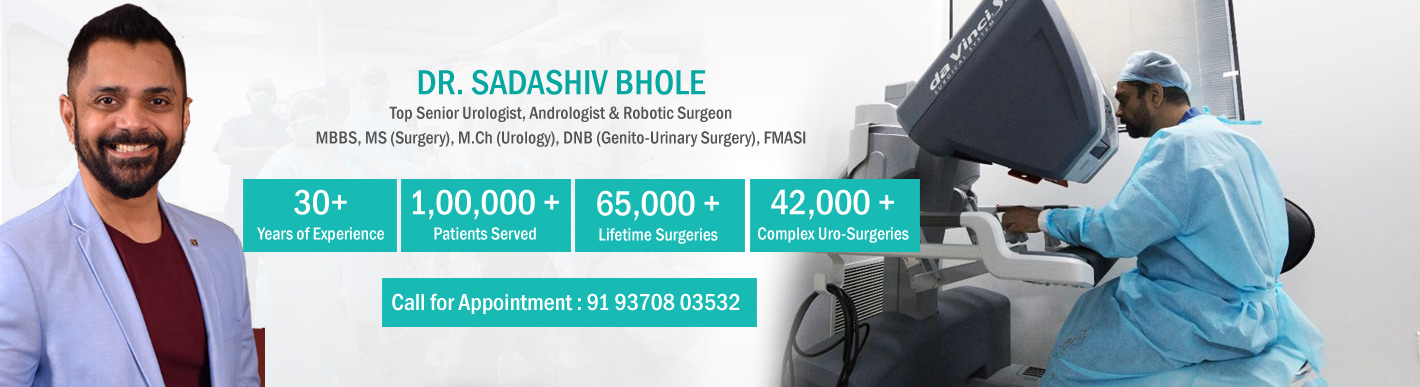
Our expert team led by Dr. Sadashiv Bhole customizes treatment based on the condition, severity, and patient preferences, ensuring comprehensive care and improved outcomes.
When to Seek Specialist Care
Prompt consultation is recommended for symptoms like persistent pain, urinary changes, blood in urine, or recurrent infections to prevent complications and preserve urinary function.
Contact Bhole Urology, Nagpur
- Address: 2nd Floor, Hyatt Medicare, Plot No. 12/2, Dr. N.B. Khare Marg, Dhantoli, Nagpur, Maharashtra 440012
- Phone: +91 93708 03532 / 0712-6612247
- Email: bholeurology@gmail.com
FAQs
What are the common symptoms of urological problems?
Frequent urination, pain during urination, blood in urine, pelvic pain, weak urine flow, incontinence, and recurrent infections.
Are urological conditions always serious?
Not all are serious; many conditions like UTIs and BPH are manageable, but timely diagnosis is key to avoid complications.
How are urological conditions diagnosed?
Through urine tests, blood tests (PSA), imaging (ultrasound, CT), cystoscopy, and biopsies if needed.
What treatments are available?
Treatments range from medications and lifestyle changes to minimally invasive procedures and surgery, personalized to the condition.