
Understanding Urological Health
June 15, 2026
Urological health plays an important role in overall well-being, yet many people ignore early symptoms until they become severe. Problems affecting the kidneys, ureters, bladder, prostate, urethra, and male reproductive system can significantly impact quality of life if left untreated.
Many common urological conditions can be effectively managed when diagnosed early. Recognizing symptoms, understanding treatment options, and seeking timely consultation with a qualified urologist can help prevent complications and improve long-term outcomes.
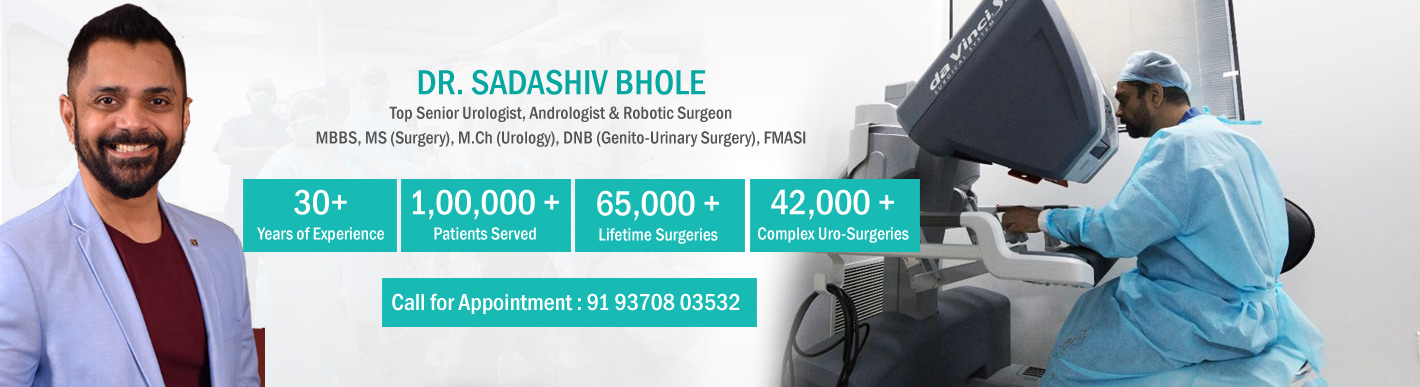
At Ketki Nursing Home & Urology Hospital in Nagpur, patients receive specialized evaluation and treatment for a wide range of urological and andrological conditions under the leadership of Dr. Sadashiv Bhole, a senior urologist with more than 32 years of experience.
What Does a Urologist Treat?
A urologist specializes in the diagnosis and treatment of conditions affecting the urinary tract and the male reproductive system.
Common conditions treated by a urologist include:
- Kidney stones
- Enlarged prostate (BPH)
- Urinary tract infections
- Blood in urine
- Urinary obstruction
- Urethral strictures
- Bladder disorders
- Urological cancers
- Male infertility
- Erectile dysfunction
- Reconstructive urological conditions
Many of these conditions can initially present with mild symptoms, making early evaluation particularly important.
Seven Warning Signs You Should See a Urologist
1. Blood in Urine
Blood in urine should never be ignored. While it may occur because of kidney stones or infection, it can also be associated with more serious conditions involving the urinary tract.
2. Severe Flank or Back Pain
Persistent pain in the side or lower back may indicate kidney stones or other urinary tract conditions requiring evaluation.
3. Frequent Urinary Infections
Recurring urinary tract infections often indicate an underlying problem that requires specialist assessment.
4. Difficulty Passing Urine
Difficulty urinating, straining, weak urinary stream, or incomplete bladder emptying should be evaluated promptly.
5. Frequent Night-Time Urination
Repeatedly waking during the night to urinate may be associated with prostate enlargement or other urinary disorders.
6. Burning Urination
Pain or burning during urination can indicate infection, inflammation, or other urinary tract conditions.
7. Persistent Urinary Symptoms
Symptoms that continue despite treatment should be investigated to identify the underlying cause.
Kidney Stones: One of the Most Common Urological Problems
Kidney stones are hard mineral deposits that form inside the kidneys or urinary tract.
They are among the most common reasons patients seek consultation with a urologist.
Common Symptoms of Kidney Stones
Symptoms may include:
- Severe flank pain
- Back pain
- Blood in urine
- Burning urination
- Nausea and vomiting
- Frequent urination
- Recurrent urinary infections
Some stones cause minimal symptoms, while others may result in severe pain and urinary obstruction.
Why Do Kidney Stones Develop?
Several factors may contribute to stone formation, including:
- Inadequate water intake
- High salt intake
- Certain dietary habits
- Family history
- Metabolic disorders
- Recurrent urinary infections
Modern Treatment Options for Kidney Stones
Treatment depends on stone size, location, symptoms, and kidney function.
Management options may include:
- Medical management
- Observation
- ESWL
- Ureteroscopy (URS)
- Retrograde Intrarenal Surgery (RIRS)
- Percutaneous Nephrolithotomy (PCNL)
- Laser stone surgery
The most appropriate treatment is determined after detailed clinical evaluation and imaging studies.
Enlarged Prostate (BPH)
Benign Prostatic Hyperplasia, commonly known as enlarged prostate, affects many men as they grow older.
The prostate gland gradually enlarges and may obstruct urine flow.
Common Symptoms
Patients may experience:
- Weak urinary stream
- Frequent urination
- Night-time urination
- Difficulty starting urination
- Incomplete bladder emptying
- Urinary retention
Treatment Options
Treatment depends on symptom severity and overall health.
Options may include:
- Lifestyle changes
- Medication
- TURP
- HOLEP
- Laser prostate surgery
Modern minimally invasive techniques often provide excellent symptom relief with shorter recovery periods.
Understanding RIRS, PCNL and URS
Patients frequently encounter these terms when discussing kidney stone treatment.
What is RIRS?
Retrograde Intrarenal Surgery (RIRS) is a minimally invasive procedure that uses a flexible scope and laser technology to treat kidney stones.
What is PCNL?
Percutaneous Nephrolithotomy (PCNL) is typically used for larger or more complex kidney stones that require direct access to the kidney.
What is URS?
Ureteroscopy (URS) is commonly used for stones located in the ureter and allows treatment through natural urinary passages without external incisions.
Each procedure has specific indications and is selected based on the patient’s individual condition.
Blood in Urine: A Symptom That Should Never Be Ignored
Blood in urine, medically known as hematuria, may be visible to the naked eye or detected during testing.
Possible causes include:
- Kidney stones
- Urinary tract infections
- Enlarged prostate
- Bladder disorders
- Urological cancers
- Trauma
Although some causes are minor, persistent or unexplained blood in urine should always be evaluated by a urologist.
Recurrent Urinary Tract Infections
Occasional urinary infections are common, but repeated infections may indicate an underlying urological problem.
Potential causes include:
- Kidney stones
- Urinary obstruction
- Enlarged prostate
- Structural abnormalities
- Incomplete bladder emptying
Identifying and treating the underlying cause is often essential for preventing recurrence.
Urethral Stricture Disease
A urethral stricture occurs when narrowing develops within the urethra, restricting urine flow.
Symptoms may include:
- Weak urinary stream
- Difficulty urinating
- Recurrent infections
- Urinary retention
Specialized evaluation and treatment are often required to restore normal urinary function.
Understanding Urological Cancers
Early diagnosis remains one of the most important factors in successful cancer treatment.
Common urological cancers include:
- Prostate cancer
- Kidney cancer
- Bladder cancer
- Testicular cancer
Warning signs may include:
- Blood in urine
- Unexplained urinary symptoms
- Persistent discomfort
- Changes in urinary habits
Any persistent symptom should be evaluated promptly.
Modern Urology and Minimally Invasive Treatment
Advances in technology have transformed the way many urological conditions are treated.
Modern techniques may include:
- Endoscopic procedures
- Laser surgery
- Laparoscopic surgery
- Reconstructive surgery
- Minimally invasive interventions
These approaches often reduce discomfort, shorten hospital stay, and improve recovery.
How to Maintain Good Urological Health
Simple lifestyle measures can support long-term urinary tract health.
Recommendations include:
- Drink adequate water daily
- Avoid delaying urination unnecessarily
- Maintain a healthy weight
- Manage diabetes and blood pressure
- Reduce excessive salt intake
- Seek medical advice for persistent symptoms
- Attend regular health check-ups when appropriate
Prevention and early diagnosis remain the most effective strategies for protecting urinary tract health.
Frequently Asked Questions
When should I consult a urologist?
You should consult a urologist if you experience blood in urine, kidney stone symptoms, urinary infections, difficulty urinating, urinary obstruction, or persistent urinary symptoms.
Are kidney stones preventable?
While not all stones can be prevented, adequate hydration and appropriate dietary modifications can reduce risk in many patients.
Does every kidney stone require surgery?
No. Many small stones pass naturally or respond to medical treatment. Surgery is recommended only when clinically necessary.
Is enlarged prostate common?
Yes. Benign Prostatic Hyperplasia becomes increasingly common as men age.
What is HOLEP?
HOLEP is a laser-based surgical procedure used to treat enlarged prostate glands causing urinary obstruction.
What is minimally invasive urology?
Minimally invasive urology uses advanced endoscopic, laparoscopic, and laser techniques to treat conditions through smaller access points, often resulting in faster recovery.
Is blood in urine always serious?
Not always, but it should always be investigated to identify the underlying cause.
Can urinary infections keep coming back?
Yes. Recurrent infections may indicate an underlying problem requiring specialist evaluation.
Advanced Urology Care at Ketki Nursing Home & Urology Hospital
Urological conditions can affect people of all ages, but early diagnosis and appropriate treatment can often prevent complications and improve outcomes.
At Ketki Nursing Home & Urology Hospital, patients receive comprehensive evaluation and treatment for kidney stones, enlarged prostate, urinary tract disorders, reconstructive urology conditions, uro-oncology, and other complex urological problems.
With more than 26 years of dedicated urology services, more than 32 years of experience of Dr. Sadashiv Bhole, and over 36,000 advanced urological and andrological surgeries, the hospital continues to serve patients from Nagpur, Vidarbha, Maharashtra, Central India, and across India.
Seeking timely medical attention remains one of the most important steps in protecting long-term urological health.
Contact Ketki Nursing Home & Urology Hospital
Dr. Sadashiv Bhole
Director & Chief Urologist
Ketki Nursing Home & Urology Hospital
Hayatt Building, Plot No. 12/2, 2nd Floor
West Park Road, Dhantoli
Nagpur, Maharashtra 440012, India
Appointments & Enquiries: +91 93708 03532
Email: bholeurology@gmail.com
Website: www.sadashivbhole.com
Advanced Urology Care. Trusted Surgical Expertise. Compassionate Patient Care.
Dedicated superspeciality urology and andrology care in Nagpur, Maharashtra, serving patients across Central India and beyond.