Laparoscopy Treatment in Nagpur – Ketki Nursing Home & Urology Hospital (Dr. Sadashiv Bhole) :
Advanced laparoscopic urology treatment in Nagpur by Dr. Sadashiv Bhole at Ketki Nursing Home & Urology Hospital, Dhantoli. Small cuts, less pain, faster recovery for kidney, prostate and urinary problems.
19.02.2026
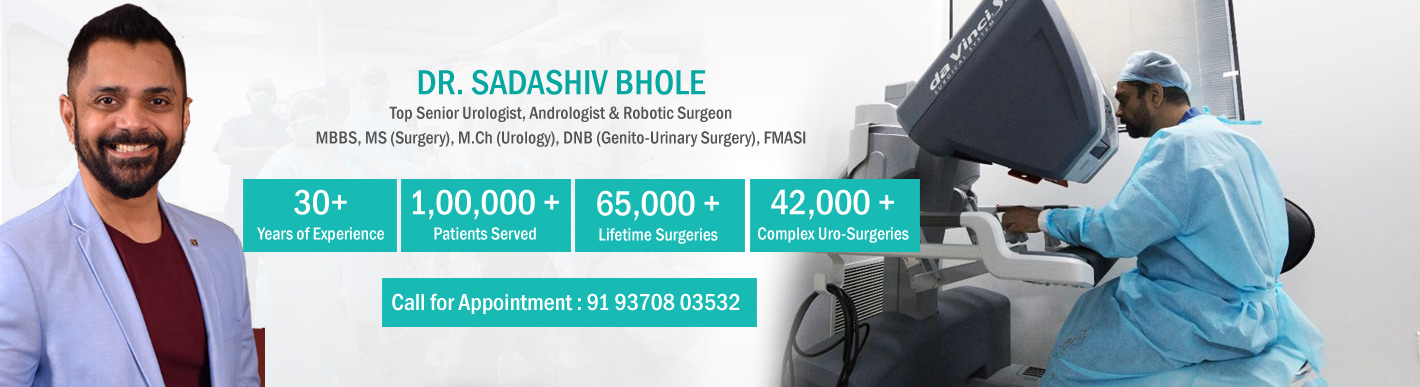
Laparoscopic (keyhole) surgery uses small cuts and a camera to treat many urology and abdominal problems with less pain, less blood loss and faster recovery than open surgery. In Nagpur, Ketki Nursing Home & Urology Hospital in Dhantoli provides advanced laparoscopic and endoscopic urology under Senior Urologist and Minimal Access Surgeon Dr. Sadashiv Bhole, who has decades of experience and thousands of complex surgeries to his name.
What is laparoscopy in urology?
Laparoscopy is a minimally invasive technique where the surgeon operates through 3–4 tiny incisions (usually 0.5–1 cm) using a high-definition camera and fine instruments. In urology, it is used for kidneys, ureters, adrenal glands and sometimes bladder and prostate when open surgery would otherwise need a large cut.
Common laparoscopic urology procedures
At a dedicated urology centre like Ketki Nursing Home & Urology Hospital, laparoscopy is commonly used for:
- Laparoscopic nephrectomy: removal of a damaged or non-functioning kidney.
- Laparoscopic pyeloplasty: correction of ureteropelvic junction (UPJ) obstruction causing hydronephrosis and pain.
- Laparoscopic ureteric reimplant / reconstruction: for reflux, strictures or injuries in selected cases.
- Laparoscopic adrenal surgery for adrenal tumours in suitable patients.
- Laparoscopic management of some kidney masses and cysts where minimally invasive removal is feasible.
Dr. Sadashiv Bhole’s profile includes advanced laparoscopic and retroperitoneoscopic reconstructive urology, making Ketki Nursing Home & Urology Hospital a strong choice for these keyhole procedures in Central India.
Benefits of laparoscopy vs. open surgery
Compared to traditional open surgery, laparoscopy usually offers:
- Smaller cuts and better cosmetic results.
- Less pain and less need for strong painkillers.
- Lower blood loss and fewer wound-related complications.
- Shorter hospital stay and faster return to work and daily life.
For many working professionals and senior citizens in Nagpur and Vidarbha, these benefits mean less disruption to family and job, while still getting definitive treatment.
Who needs laparoscopic urology treatment?
Your urologist may suggest laparoscopy if you have:
- A non-functioning or severely damaged kidney needing removal.
- UPJ obstruction causing back pain, infections or progressive hydronephrosis.
- Selected kidney or adrenal tumours that can be removed through keyhole access.
- Complex ureteric problems where minimally invasive reconstruction is possible.
The decision between laparoscopic, robotic and open surgery is individualised after detailed imaging, kidney function tests and overall health assessment by an experienced surgeon like Dr. Bhole.
Laparoscopy vs. endoscopic stone and prostate surgery
Patients often confuse laparoscopy with endoscopic surgeries. In urology, both are minimally invasive but different:
- Endoscopic (URS, RIRS, PCNL, TURP, HoLEP) uses natural urinary passage or a small puncture to reach stones or prostate without abdominal cuts.
- Laparoscopy uses small abdominal or flank incisions to treat kidney, ureter or adrenal conditions.
Ketki Nursing Home & Urology Hospital offers both advanced Holmium laser endourology and laparoscopic urology, so most patients get a tailored, minimally invasive solution instead of a large open surgery.
What to expect before and after laparoscopic surgery
Before surgery:
- Detailed consultation and counselling with Dr. Sadashiv Bhole.
- Blood tests, urine tests, ECG, chest evaluation and anaesthesia fitness.
- Imaging (ultrasound / CT / MRI) to define anatomy and plan the keyhole approach.
After surgery:
- Hospital stay is usually shorter than open surgery, often 2–4 days depending on the procedure and patient health.
- Early mobilisation (walking) and breathing exercises are encouraged.
- Most patients resume light activities in 1–2 weeks and full routine in a few weeks, as advised by the surgeon.
Why choose Ketki Nursing Home & Urology Hospital (Bhole Urology) for laparoscopy in Nagpur?
- Senior Urologist and Minimal Access Surgeon: Dr. Sadashiv Bhole is trained in advanced laparoscopic and retroperitoneoscopic urology and has performed tens of thousands of surgeries over three decades.
- Dedicated urology and laparoscopy setup: High-end scopes, cameras, Holmium laser and laparoscopic equipment create a focused environment for keyhole urology.
- Central India referral centre: Patients come not only from Nagpur but from wider Vidarbha, Maharashtra and neighbouring states for complex urology surgeries.
- Patient-centric care: Shorter stays, careful pain control and long-term follow-up are integrated into the treatment pathway.
Location and contact – Laparoscopy treatment in Nagpur
Laparoscopic and advanced urology services by Dr. Sadashiv Bhole are available at:
- Ketki Nursing Home & Urology Hospital, 2nd Floor, Hyatt Medicare, Dr. N.B. Khare Marg, Dhantoli, Nagpur, Maharashtra.
- Seven Star Multispeciality Hospital, Jagnade Square, Nandanvan, Nagpur, Maharashtra (for selected advanced and multispeciality cases).
If you have been advised kidney, ureter or adrenal surgery and want a minimally invasive option in Nagpur, you can consult Dr. Sadashiv Bhole at Ketki Nursing Home & Urology Hospital to see whether laparoscopic treatment is right for you.